U.S. Bank Shield™ Visa® Card
Best 0% APR Card- air
- hotel
Compare 0% intro APR cards for purchases, balance transfers, or both. Rankings update automatically as offers change. Ranked by math. Compensation never changes the order.
The right 0% APR card depends on your goal. Select your situation and we’ll show the card structure that fits, with the trade-offs that matter.
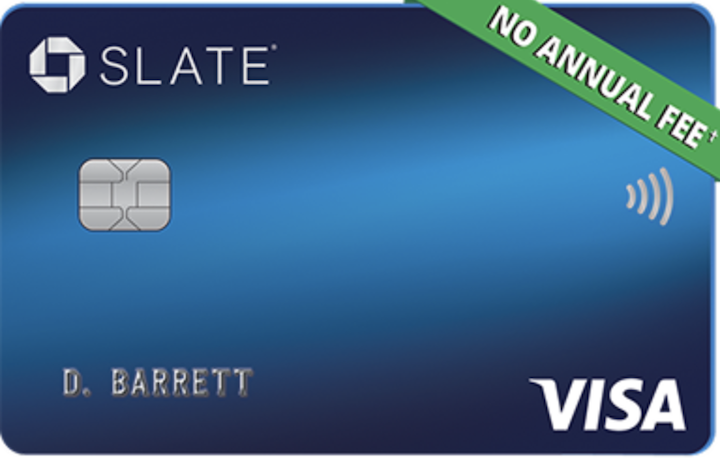
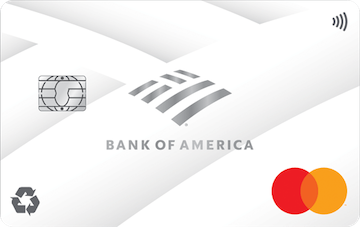
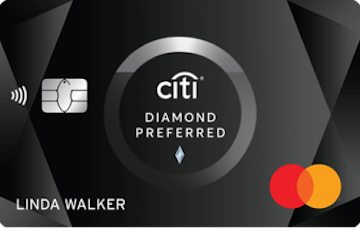
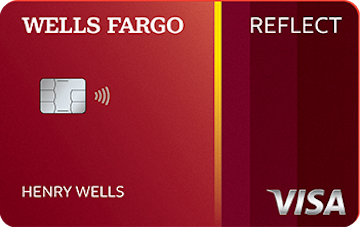
Prioritize the longest 0% purchase APR. The longest right now is 21 months: U.S. Bank Shield Visa, Chase Slate, BankAmericard and Wells Fargo Reflect offer it on both purchases and balance transfers, and Citi Diamond Preferred on transfers only, all with no annual fee. More months = more time to pay without a dollar of interest.
See longest 0% APR cardsFocus on 0% balance transfer length and upfront fee. The longest 0% transfer period right now is 21 months: U.S. Bank Shield Visa, Chase Slate, BankAmericard, Citi Diamond Preferred and Wells Fargo Reflect, all with no annual fee. Chase Slate and Citi Diamond Preferred charge 3% on transfers (an intro fee on some, so check how long it lasts); the others charge 5%. Use the BT calculator to model your exact savings.
See balance transfer cards + calculator Freelancers: 0% APR bridges income gapsRanked by intro APR score, not a blended category score. Cards that offer the longest and broadest 0% periods rank higher here.


A 0% intro APR means you pay no interest on qualifying balances (purchases, transfers, or both) during the promotional period, typically 12 to 21 months. After the intro period, the card’s regular variable APR applies to any remaining balance. Plan your payoff to reach zero before the clock expires.
The longest right now is 21 months: U.S. Bank Shield Visa, Chase Slate, BankAmericard and Wells Fargo Reflect offer it on both purchases and balance transfers, and Citi Diamond Preferred on transfers only, all with no annual fee. Chase Slate and Citi Diamond Preferred charge 3% on transfers (an intro fee on some, so check how long it lasts); the others charge 5%. Full ranked table
If you’re planning a large purchase, prioritize the longest 0% purchase APR. If you carry existing debt, focus on the balance transfer window and upfront fee. Some cards offer 0% on both. Search “purchases + balance transfer” or use the use-case selector above to find those.
Yes. You must make at least the minimum payment every month. Missing a payment can trigger penalty APR, which cancels the intro offer entirely on many cards. Set up autopay for the minimum the day you receive the card to protect your rate.
Most of the strongest 0% intro APR offers target good to excellent credit, typically 670+ FICO. Cards offering the longest 0% windows (up to 21 months) tend to have stricter requirements. BankAmericard and Chase Slate are solid options at 670+; shorter promotional periods may be available with fair credit.
Any remaining balance starts accruing interest at the card’s regular variable APR, currently 6%–35% across the 0% cards we track, depending on your creditworthiness. The post-intro APR varies by card; check the rankings for each card’s specific rate. Having even $500 left when the promo ends can cost significant interest at those rates.
Yes. Chase Freedom Unlimited earns 1.5% on everything plus 3% on dining and drugstores and 5% on Chase Travel, with a 15-month 0% period. BoA Customized Cash earns 3% in a choice category with 15 months at 0%. Capital One Quicksilver earns 1.5% flat with 15 months. The trade-off: rewards cards typically offer shorter 0% windows than pure debt-payoff cards.
Keep the account open. Closing it hurts your credit utilization ratio and average account age. If the card earns rewards, use it for appropriate spending. If it has no rewards, keep it as a backup. Use the rewards calculator to find the best rewards card to add after your balance is cleared. The biggest single win after clearing debt is often a signup bonus. A $750 cash bonus on a no-fee card typically pays back more than a year of interest savings. Cash back rewards are not taxable income. See are credit card rewards taxable.