Best Credit Card Sign-Up Bonuses of
Current welcome offers ranked by estimated cash value, with the spend it takes to earn each one and the annual fee beside it. Check that the card still earns well after the bonus, because a big bonus on a weak card is still a weak card.
Ranked by math · Compensation never changes the order · How we value bonuses
Top signup bonuses ranked by value
Pulled live from our card database and ranked by the cash-equivalent value of the welcome offer. Where two cards offer the same value, the one with the lower annual fee ranks higher. An Up to tag means the issuer advertises the bonus as “as high as” or “up to” that amount: the offer you are shown when you apply can be lower.
| Card | Bonus Value | Spend Req. | Window | Annual Fee | Apply |
|---|---|---|---|---|---|
 | Up to$4,500 | $20,000 | 3 months | $895 | Apply → |
 | Up to$3,000 | $15,000 | 3 months | $375 | Apply → |
 | $3,000 | $30,000 | 6 months | $795 | Apply → |
 | Up to$2,625 | $12,000 | 6 months | $895 | Apply → |
 | $2,025 | $40,000 | 4 months | $395 | Apply → |
 | $2,000 | $30,000 | 3 months | $150 | Apply → |
 | $1,750 | $15,000 | 5 months | $695 | Apply → |
 | $1,500 | $8,000 | 3 months | $95 | Apply → |
 | $1,500 | $50,000 | 6 months | $295 | Apply → |
 | Up to$1,500 | $8,000 | 6 months | $325 | Apply → |
 | $1,500 | $6,000 | 3 months | $795 | Apply → |
 | Up to$1,438 | $15,000 | 6 months | $650 | Apply → |
 | $1,350 | $10,000 | 3 months | $95 | Apply → |
 | Up to$1,335 | $4,000 | 6 months | $350 | Apply → |
 | $1,250 | $5,000 | 3 months | $150 | Apply → |
The top of the full list is dominated by premium travel, airline and business cards, because that is where the largest welcome offers live, and where the spend requirements and annual fees are largest too. Across the 10 largest offers, required spend runs from $8,000 to $50,000 and annual fees from $95 to $895. Airline and hotel bonuses are paid in miles or points; the values shown are our own estimate of what those balances are worth in cash. See the best airline credit cards guide for how each program’s miles actually redeem.
How to evaluate a signup bonus
Don’t chase the highest number without considering these four factors:
- Can you naturally hit the spend requirement? Never spend money you wouldn’t otherwise spend just to earn a bonus. The 10 largest offers on this page ask for $8,000 to $50,000 in 3 to 6 months. $500 in 3 months is easy for almost anyone; $30,000 is not.
- Does the annual fee have to be paid to trigger the bonus? Several airline cards only pay the bonus once you have spent the minimum and paid the annual fee. A $600 bonus on a card with a $99 fee is a $501 bonus. Always net the fee out before comparing.
- Does the card earn well after the bonus? A $750 bonus on a 1% flat card is one-time money. A $750 bonus on a 1.5% card with 3% dining earns value every year. Use the rewards calculator to model year-1 vs. year-2+ value with your actual spending.
- Is the bonus paid in cash or in points? Cash-back bonuses are worth exactly their face value. A points or miles bonus is worth whatever you can redeem it for, which varies by program and by how you redeem. Treat every points valuation on this page (ours included) as an estimate, not a price.
The easiest bonuses to earn right now
Cards with low spend thresholds relative to bonus size, sorted by efficiency: cents of bonus value per dollar of required spend. Minimum $100 bonus value to qualify, which filters out trivial offers.
| Card | Bonus | Spend to Earn | Bonus per $1 | Annual Fee | Apply |
|---|---|---|---|---|---|
 | $1,040 | $1,000 | 104¢ per $1 | $99 | Apply → |
 | $910 | $1,000 | 91¢ per $1 | $99 | Apply → |
 | $310 | $500 | 62¢ per $1 | $0 | Apply → |
 | $300 | $500 | 60¢ per $1 | $49 | Apply → |
 | $1,105 | $2,000 | 55¢ per $1 | $149 | Apply → |
 | $270 | $500 | 54¢ per $1 | $0 | Apply → |
 | $500 | $1,000 | 50¢ per $1 | $149 | Apply → |
 | $500 | $1,000 | 50¢ per $1 | $0 | Apply → |
The ratio is gross: it does not subtract an annual fee. A card whose bonus only pays after you also pay the annual fee (several airline cards work this way) is effectively worth the bonus minus that fee. We explain how we set each dollar value below.
Are signup bonuses taxable? Generally no. The IRS treats a bonus earned by meeting a spending requirement as a purchase rebate rather than income. Bonuses paid with no spending requirement, and referral bonuses, are the exceptions. See are credit card rewards taxable → and Your Best Taxes’ guide to taxes on bank bonuses and card rewards.
Best signup bonus by card type
The largest current welcome offer in each group, from the same database as the tables above. Cards sold only in some states are listed in the tables above with a note but are not picked here. Groups follow how each card earns: cash back at face value, bank points that transfer to airline and hotel partners, or a single airline’s miles or hotel’s points.
| Best for | Card | Bonus Value | Spend to Earn | Annual Fee | Apply |
|---|---|---|---|---|---|
| No annual fee |  | $750 | $2,000 in 3 mo | $0 | Apply → |
| Cash back | $500 | $5,000 in 3 mo | $95 | Apply → | |
| Transferable travel points | | Up to$2,625 | $12,000 in 6 mo | $895 | Apply → |
| Airline miles | | $1,750 | $15,000 in 5 mo | $695 | Apply → |
| Hotel points | | $1,200 | $5,000 in 3 mo | $350 | Apply → |
| Business | | Up to$4,500 | $20,000 in 3 mo | $895 | Apply → |
| Business, no annual fee |  | $750 | $6,000 in 3 mo | $0 | Apply → |
For the full field in each group, see the cash back, travel, airline, hotel and business card rankings, which score each card on ongoing earning as well as its bonus.
Limited-time offers with an end date
Offers whose issuer terms state a closing date. After that date the bonus usually drops back to the card’s standard offer, so if one of these is the card you want, applying before the deadline locks in the higher amount.
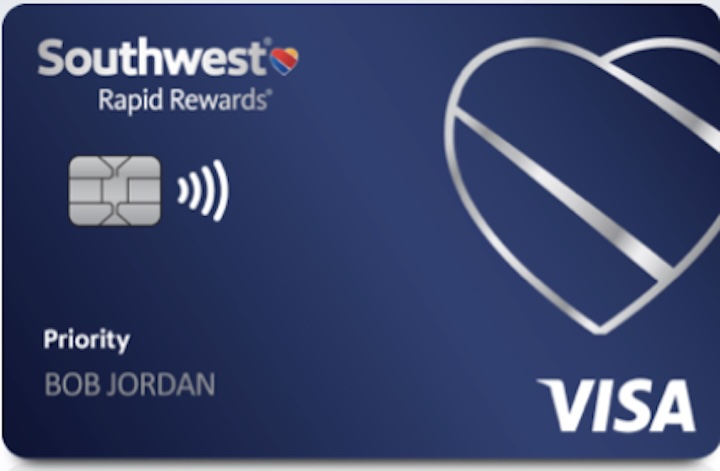
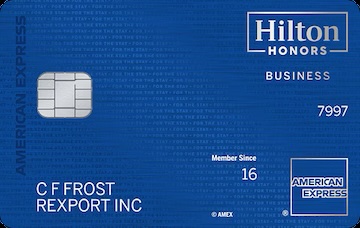
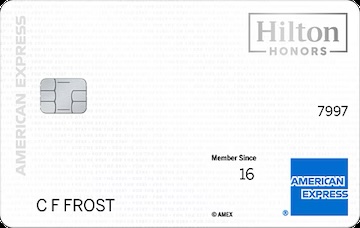
How we put a dollar value on each bonus
We convert every welcome offer on this page to one cash estimate so you can compare offers paid in cash, points, miles and certificates in one list. The rules:
- Cash back and statement credits count at face value.
- We multiply points and miles by our value for that program, the same figure our card scores use. See what points are worth for each program’s value and how we set it. If you would redeem a program for less, the bonus is worth less to you.
- We count “As high as” offers at the advertised maximum and tag them Up to, because the issuer may show you a smaller offer when you apply.
- Tiered offers count the first tier only when a later tier needs a much larger spend, a longer window or spending at one merchant, so the value matches the spend requirement shown beside it.
- Companion fares and flight certificates get a fixed, conservative estimate rather than the most they could ever be worth. A free-night award counts at half the value of its points cap, and one with no stated cap is not counted at all.
- Bonuses paid on approval (a gift card or credit with no spend needed) are included in the total.
The cents-per-dollar ratio in the easiest-to-earn table is gross: it does not subtract an annual fee, so check the fee column before comparing a fee card against a no-fee one. Ongoing category earn rates, annual statement credits and “up to $X per year” perks are excluded, since those are not one-time signup bonuses. Store-card discounts on a first purchase are also left out. Offers are re-checked against issuer pages on a rolling schedule and changes appear in the signup bonus history.
Signup Bonus FAQ
What is a good credit card signup bonus?
Judge a bonus against the spending it takes to earn it, not by its headline number. A bonus worth 20 cents or more per dollar of required spend is strong. On a card with an annual fee, subtract the fee: a $600 bonus on a card with a $99 fee that must be paid to trigger the bonus is really $501. And a bonus is only worth chasing on a card you would still want in year two, when the bonus is gone and only the ongoing earn rate is left.
How long do I have to earn the signup bonus?
Most welcome offers require a set amount of spending within 3 months of account opening, though 4, 5, 6 and even 12 month windows show up on business, airline and hotel cards. Some issuers count days (90, 120, 150 or 180) or billing cycles instead of months. The clock starts the day the account opens, not the day the card arrives in the mail, so a card that takes a week to arrive has already used part of the window.
What counts toward the spending requirement?
Purchases do. Balance transfers, cash advances, fees, interest and purchases of cash equivalents (gift cards bought for resale, money orders, person-to-person payments) generally do not, and refunds or returns reduce your eligible spending. If a return pushes you back under the threshold after the window closes, the bonus can be withheld or taken back. Authorized-user purchases usually count toward the primary cardholder’s total.
What does “as high as” mean on a welcome offer?
Some issuers, American Express most often, advertise the largest bonus they offer and then show each applicant their own offer during the application, which can be lower. You see your offer before the application is submitted, so you can stop if it is lower than you wanted. This page values those cards at the advertised maximum and tags them Up to.
Can I earn the same card’s bonus twice?
Usually not. Most offer terms say the bonus is not available if you have or have had that card, and some extend the rule to other cards in the same family. Chase also generally declines applicants who have opened five or more personal cards from any issuer in the past 24 months. The exact restriction is printed in the offer terms on the application page, so read it before you apply.
Are credit card signup bonuses taxable?
Generally no. The IRS treats a bonus you earn by meeting a spending requirement as a rebate on purchases rather than income, so it is not taxable and no 1099 is issued. Two exceptions: bonuses paid simply for opening an account with no spending requirement, and referral bonuses, can both be treated as taxable income and reported on a 1099-MISC or 1099-INT.
Should I take the biggest bonus I can find?
Not if you cannot hit the spending requirement with purchases you were going to make anyway. The largest welcome offers are concentrated on premium travel and business cards that ask for five-figure spending in three to six months and often carry annual fees in the hundreds of dollars. Manufacturing spend to reach a threshold usually costs more in fees than the bonus is worth, and carrying a balance at a card’s regular APR erases a bonus quickly.
Does applying for a card to get a bonus hurt my credit score?
A new application adds a hard inquiry and a new account, which typically lowers a score by a few points for several months. The bigger risk is spending more than you can pay off in full to reach the threshold. If you plan to apply for a mortgage or auto loan in the next six months, it is usually better to wait.